Introduction
Transporting your bike safely and conveniently is essential for car owners who love to cycle.
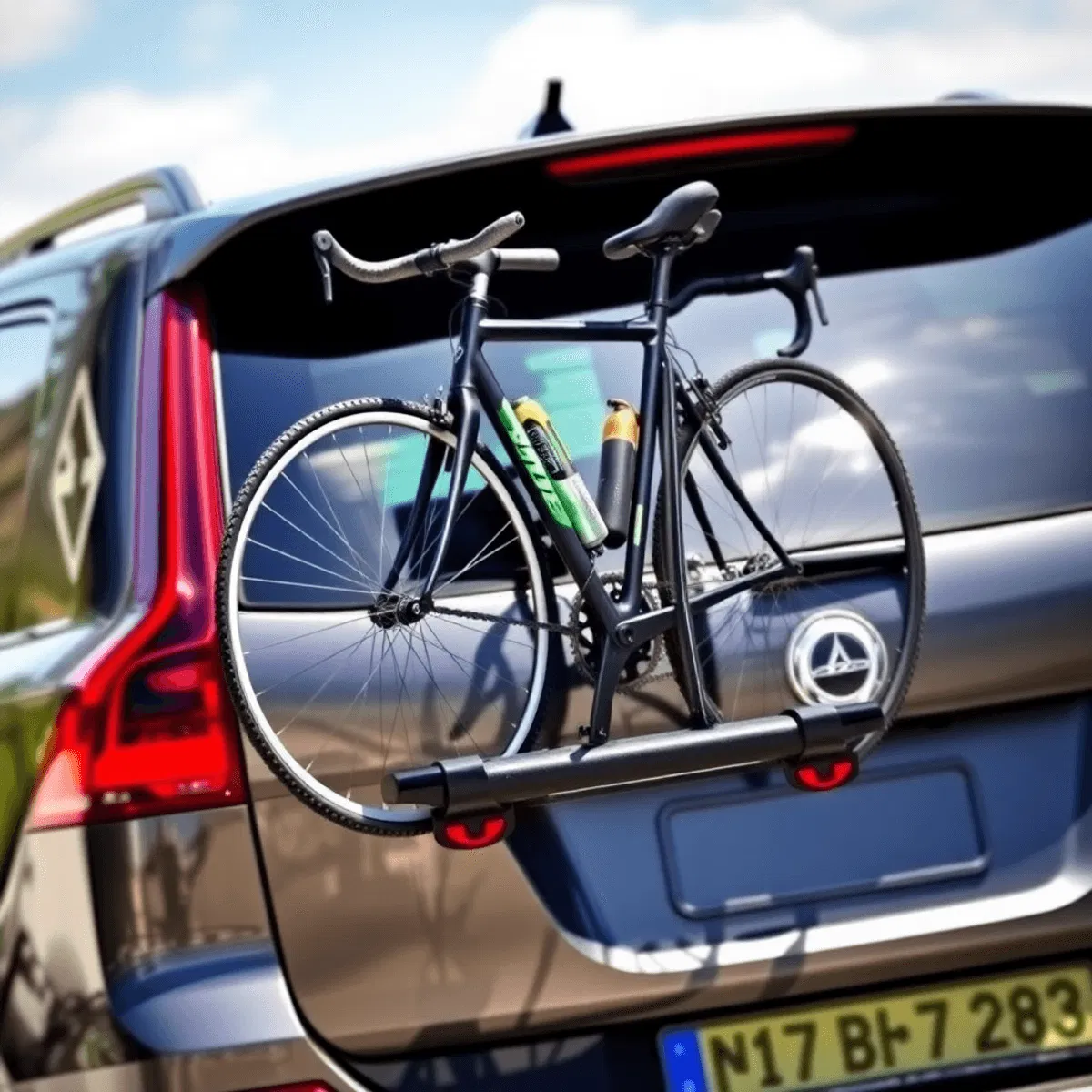
A rear bike rack for a car offers a practical solution, allowing you to take your bike on adventures without hassle.
In this post, we will discuss:
- There are different types of rear bike racks available, such as trunk-mounted, roof-mounted, and hitch-mounted options.
- How to install a rear bike rack properly with step-by-step instructions.
- The best practices for keeping your bike secure during transit.

- Patented Design Fits Sedans, Hatchbacks, Minivans, And Suv’S Consult Manufacturer Web Site For Specific Vehicle Fit Information.Comes fully assembled set up and installs in seconds 12 inch long carry arms easily accommodate a wide range of bicycle styles and 115 inch wide carry arms for greater bike compatibilityShips in certified frustration free packaging 70 pounds max capacityFolds fully flat for easy storage.Allen’s warranty does not cover items purchased through third-party sellersImportant, please consult manufacturer web page for specific vehicle fit.Target gender : unisex.
- Side Straps For Increased Lateral Stability. Single Configuration Design Eliminates Setup Hassles And Headaches During Installation
- Individual Tie Downs Secure And Protect Bicycles
- Padded Lower Frame Keeps Bicycles Away From Vehicle

Last update on 2026-03-09 / Affiliate links / Images from Amazon Product Advertising API
Popular brands like Küat, Thule, and Saris offer reliable options with various features. Whether you’re commuting or heading out on a weekend trip, finding the right rear bike rack for cars is crucial for effective bike transportation.
Types of Rear Bike Racks
Understanding the various types of bike racks is essential when exploring options for a rear bike carrier for a car.
Each type has its own unique functionality, advantages, and disadvantages.
1. Trunk-Mounted Racks
These racks attach directly to a vehicle’s trunk or rear hatch, making them a popular choice for many car owners.
- Functionality: Trunk-mounted racks typically hold 1-2 bikes and are secured using straps that hook onto the trunk lid or hatch.
- Advantages:
- Generally easier to install compared to other types.
- Cost-effective option for occasional cyclists.
- Disadvantages:
- Stability can be an issue; may wobble during transit.
- Potential for scratching the car’s surface if not installed carefully.
2. Roof-Mounted Racks
Roof-mounted racks require crossbars on the roof of your vehicle, providing a different way to transport bikes.
- Functionality: These racks can accommodate multiple bikes (usually one per rack) without obstructing rear access.
- Advantages:
- Keeps bikes elevated and away from road debris.
- Ideal for long trips since they don’t affect vehicle aerodynamics as much.
- Disadvantages:
- Heavier lifting is required to load bikes onto the roof.
- Increased wind resistance may impact fuel efficiency.
3. Hitch-Mounted Racks
Hitch-mounted racks attach to a vehicle’s hitch receiver, offering robust support for transporting bikes.
- Functionality: These racks are capable of holding 2-4 bikes and provide high stability during transit.
- Advantages:
- Excellent weight distribution; minimizes sway while driving.
- Easier loading and unloading due to lower height compared to roof mounts.
- Disadvantages:
- Typically, it is more expensive than the trunk or roof-mounted options.
- Requires a compatible hitch receiver on your vehicle.
Understanding these options allows cyclists to make informed decisions about rear bike racks based on their specific needs and preferences.
- Secure Bike Transportation: Safely transport up to 4 bikes with ease. The rack’s towing capacity is 150 lbs and includes a hitch pin for secure attachment. An added reflector enhances safety during travel
- Convenient Swing-Down Feature: The swing-down feature provides effortless access to the rear of your vehicle, ensuring convenience when needed. Ideal for vans, SUVs, pickup trucks, and sedans with receiver hitches
- Easy Installation: Installing the MaxxHaul Towing Products 70210 Deluxe 4-Bike Hitch Mount Rack is a breeze and takes just minutes. The support arms, equipped with adjustable hold-down straps, firmly secure and transport your bikes
- Broad Hitch Compatibility: This rack fits 2″ x 2″ hitch receivers, offering versatile compatibility with a variety of vehicles
- Durable Construction: Built from rigid all-steel construction and powder-coated for durability, this rack is designed for longevity. The adjustable bike cradle with hook and loop straps ensures secure transportation
Last update on 2026-03-09 / Affiliate links / Images from Amazon Product Advertising API
Installation Tips for Different Rack Types
Installing a rear bike rack can seem daunting, but with the right preparation and guidance, the process becomes manageable.
Here’s what you need to know.
Essential Tools for Bike Rack Installation
Before diving into the installation process, gather these bike rack installation tools:
- Wrenches: For tightening bolts and nuts.
- Screwdrivers: To secure screws in place.
- Ratchet Set: Useful for quick fastening.
- Level: Ensures the rack is even on your vehicle.
- Measuring Tape: To check space and alignment.
Having these tools on hand will make your installation smoother.
Trunk Rack Installation Guide
- Positioning the Rack: Place the trunk-mounted rack against the rear of your vehicle, ensuring it aligns with the trunk or hatch area.
- Adjusting Straps: Hook the straps over the top of the trunk lid. Make sure they are snug but not overly tight to avoid damage.
- Securing Side Straps: Attach side straps to further stabilize the rack. Adjust them so that they are evenly placed on both sides.
- Final Checks: Ensure all straps are tightened securely to prevent movement during transit. Give the rack a gentle shake; if it feels loose, readjust the straps as needed.
Roof Rack Assembly Instructions
- Component Check: Lay out all pieces according to your manufacturer’s manual to ensure nothing is missing.
- Base Assembly: First, assemble the base of the roof rack, following specific instructions for each part. Use wrenches and screwdrivers as needed.
- Crossbars Installation: Attach crossbars according to the size specifications in your manual, ensuring they are evenly spaced for balance.
- Mounting Brackets Positioning: Securely attach mounting brackets that will hold bikes in place once loaded.
- Finalize Setup: Double-check that all components are secure before loading any bikes onto your roof-mounted rack.
Hitch Rack Setup Instructions
- Inserting the Rack: Slide the hitch-mounted rack into your vehicle’s hitch receiver until it clicks into place.
- Securing with Bolts or Pins: Depending on your model, use bolts or pins to secure the rack firmly in place. Follow manufacturer guidelines closely here.
- Tightening Connections: Use wrenches to tighten any bolts, ensuring everything is snug and secure before driving away.
- Weight Distribution Check: Ensure that the weight is well-distributed across all bikes mounted on the rack to avoid swaying during transport.
With these detailed instructions tailored for each type of rear bike car rack, you can ensure a successful installation process while keeping safety as a priority throughout your biking adventures.
Safety Considerations When Using Bike Racks
Ensuring the safety of your bikes during transport is crucial.
Here are some essential considerations:
1. Tighten All Straps and Bolts
Before hitting the road, it’s vital to check that all straps and bolts are securely fastened. Loose connections can lead to instability, increasing the risk of accidents.
For trunk-mounted racks, ensure that the straps are snug against the vehicle, while hitch-mounted racks require bolts to be torqued to manufacturer specifications.
2. Regular Inspections
Frequent checks on your bike rack can prevent unexpected issues. Look for signs of wear and tear, such as fraying straps or rust on metal components.
Inspect connections and attachment points for any signs of looseness or damage. Addressing these small issues promptly helps maintain bike rack security features.
3. Maintenance Tips
Clean your car’s rear bike rack regularly to keep it in optimal condition. Remove dirt and debris that could cause corrosion or impede functionality.
Lubricate moving parts where applicable to ensure a smooth operation.
By following these guidelines, cyclists can enjoy peace of mind knowing their bikes are secure and ready for adventure.

- Enhanced Durability: This bike rack is equipped with a hitch adapter to fit standard 1-1/4″ and 2″ hitch receivers, ensuring broad compatibility
- Versatile Hitch Compatibility: Designed to be used on Class I, II, III, and IV hitches, this bike rack is adaptable and suitable for various types of vehicles
- Secure Bike Transportation: Transport up to 2 bikes securely with the improved rubber bike cradles and buckle-type straps. These features allow your bikes to remain stable during travel
- Sturdy Design: The built-in locking knob keeps the main upright sturdy, minimizing wobble and enhancing stability while on the move
- Weight Capacity: The rack supports a maximum capacity of 100 lbs, with a limit of 50 lbs per bike. This ensures safe and reliable bike transportation
Last update on 2026-03-09 / Affiliate links / Images from Amazon Product Advertising API
Compatibility Checks Before Purchase
Selecting the right rear bike rack requires checking its compatibility with your vehicle model.
Making sure that the rack fits your car properly improves both safety and functionality.
Here are important things to consider:
- Manufacturer Resources: Check the bike rack manufacturer’s website for specific compatibility information. Most brands provide detailed lists of vehicles compatible with their products.
- Compatibility Tools: Use online compatibility tools available on various retail websites. These tools often allow you to input your vehicle’s make, model, and year to find suitable racks.
- Vehicle Modifications: Think about any modifications made to your vehicle, such as aftermarket bumpers or towing packages, which might affect how well the rack fits.
- Consult Reviews: Look for user reviews that mention specific vehicle models. These can offer insights into how well a rack performs on cars similar to yours.
By taking these steps, you can ensure that you choose a rear bike rack that meets your cycling needs while keeping your vehicle safe and intact.
Comparing Popular Bike Rack Brands
When selecting a bike rack, exploring various brands can help narrow down the best option for your needs.
Here’s a detailed look at some popular models:
Küat Bike Racks Comparison
| Model Design Features Capacity Accessibility Installation Küat Sherpa 2.0 | Lightweight yet robust design | Two bikes, 40 lbs/bike | Tilt mechanism | Tool-free |
| Küat Beta | Similar in lightweight design but focuses on affordability | Two bikes, 35 lbs/bike | Adjustable arms | Not specified |
Thule vs Saris Bike Racks
| Model Stability Features Capacity User-friendliness Thule Epos | Designed for stability and ease of use | Three bikes | Tool-free installation |
| Saris Bones EX 3-Bike | A well-known trunk-mounted option that holds up to three bikes securely. | Three bikes | Not specified |
Yakima vs Saris Comparison
| Model Mounting Type Capacity Protection Features Yakima HighRoad | Roof-mounted rack | One bike, 45 lbs | No frame contact |
| Saris SuperClamp EX 4-Bike | Hitch-mounted rack | Four bikes | Integrated locking mechanisms |
Each brand presents unique advantages tailored to different cyclists. Assessing specific features and user reviews can guide you toward an informed decision when choosing the right back-of-car bike carrier to effectively meet your transportation needs.
Rear Bike Racks for Cars Conclusion
Choosing the best rear bike rack for your car involves careful consideration of installation methods, safety practices, and compatibility with your vehicle.
By applying the tips shared throughout this post, you can make informed decisions that suit your cycling needs.
- Installation Tips: Regardless of the rack type, always ensure a secure fit. Regularly check all straps and bolts.
- Safety First: Inspect your setup before every trip to prevent any mishaps on the road.
- Assess Your Needs: Think about how many bikes you typically transport and your vehicle’s specific requirements.
Selecting the right rear bike rack for your car enhances both convenience and safety during travel.
Happy biking!
- Premium, high-load capacity bike rack ideal for e-bikes and heavy mountain bikes.Distance between bikes : 9 inch. Max wheelbase : 1300 mm..Max wheelbase : 1300 mm.
- Integrated folding bike loading ramp
- Fits 1.25″ and 2″ receivers
- Fast and effortless tool-free installation
- Quickly attach and secure bikes with torque limiting knobs and ratcheting wheel straps
Last update on 2026-03-09 / Affiliate links / Images from Amazon Product Advertising API
Rear Bike Racks for Cars FAQs
What are the different types of rear bike racks available for cars?
There are three main types of rear bike racks: trunk-mounted racks, roof-mounted racks, and hitch-mounted racks. Each type has its own functionality, advantages, and disadvantages that cater to different needs.
What tools do I need to install a bike rack?
Essential tools for installing a bike rack include wrenches and screwdrivers. The specific tools required may vary depending on the type of rack you are installing.
How can I ensure the safety of my bike during transport?
To ensure safety during transport, it’s important to tighten all straps and bolts before driving. Regularly inspecting wear and tear on straps and connections is also crucial for continued safety.
How do I check if a bike rack is compatible with my vehicle?
Use manufacturer resources or compatibility tools to check compatibility with specific vehicle models. This ensures that the bike rack will fit securely on your vehicle.
What are some popular brands of bike racks to consider?
Popular brands include Küat, Thule, and Saris. Each brand offers unique features and benefits that cater to various user preferences and needs.
What should I consider when comparing different bike rack models?
When comparing bike rack models, consider features such as ease of installation, security features, weight capacity, user reviews, and overall design. For example, compare Küat Sherpa 2.0 with Küat Beta or Thule Epos with Saris Bones EX.